Ol Pejeta or Lake Nakuru: Which Kenya Safari Fits You?
For the ol pejeta vs lake nakuru question, choose Lake Nakuru if you want a compact, scenic stop with rhinos, birds and an easy route to the Maasai Mara. Choose Ol Pejeta if you want a longer stay built around dependable rhino tracking, predators and conservation activities on the Laikipia plateau. Both protect rhinos, but they suit different trips.
Ol Pejeta vs Lake Nakuru: What Is the Real Difference?
Lake Nakuru is a compact national park built around a Rift Valley lake, so it suits travelers who want scenery, rhinos, birds and an efficient one-night stop. Ol Pejeta is a private Laikipia conservancy focused on rhino protection, predators and conservation activities, making it better for a deeper two-night or three-night wildlife stay. The difference shapes nearly everything else.
Lake Nakuru works well when you want a quick wildlife hit on the way to the Maasai Mara. The national park is small enough to cover in one or two game drives. You can scan open grassland along the lake, check the acacia woodland for lions, and still sleep in time for another early start.
Ol Pejeta’s rhino program includes monitoring and protection work, and its private land supports a wider range of activities than a typical national park visit.
Which Has Better Rhino Sightings?
Ol Pejeta usually offers the more dependable rhino experience because its rhinos are intensively monitored and conservation teams actively protect and track them. Lake Nakuru is also a strong black and white rhino destination, but sightings depend more on animal location, vegetation and the day’s game drive conditions. If rhinos are the core of your trip, Ol Pejeta is the safer bet.
At Ol Pejeta, guides often know where rhinos were last seen. The conservancy’s monitoring teams keep detailed records, so a good guide can turn information into a practical search plan. You may still need patience, but you start with an advantage.
Which Is Better for Big Five and Other Wildlife?
Ol Pejeta gives travelers the stronger all-round Big Five opportunity, with good chances for rhino, lion, leopard, buffalo and elephant, plus chimpanzees and specialized conservation encounters. For a wider view of where to find all five species across the country, see our Big Five Kenya guide. Lake Nakuru offers excellent rhino, buffalo, lion, leopard and giraffe viewing in a smaller area, but elephant sightings are not its defining strength. If seeing the full Big Five matters, Ol Pejeta usually makes more sense.
Ol Pejeta’s chimpanzee sanctuary is a separate highlight, home to rescued animals rather than wild safari species.
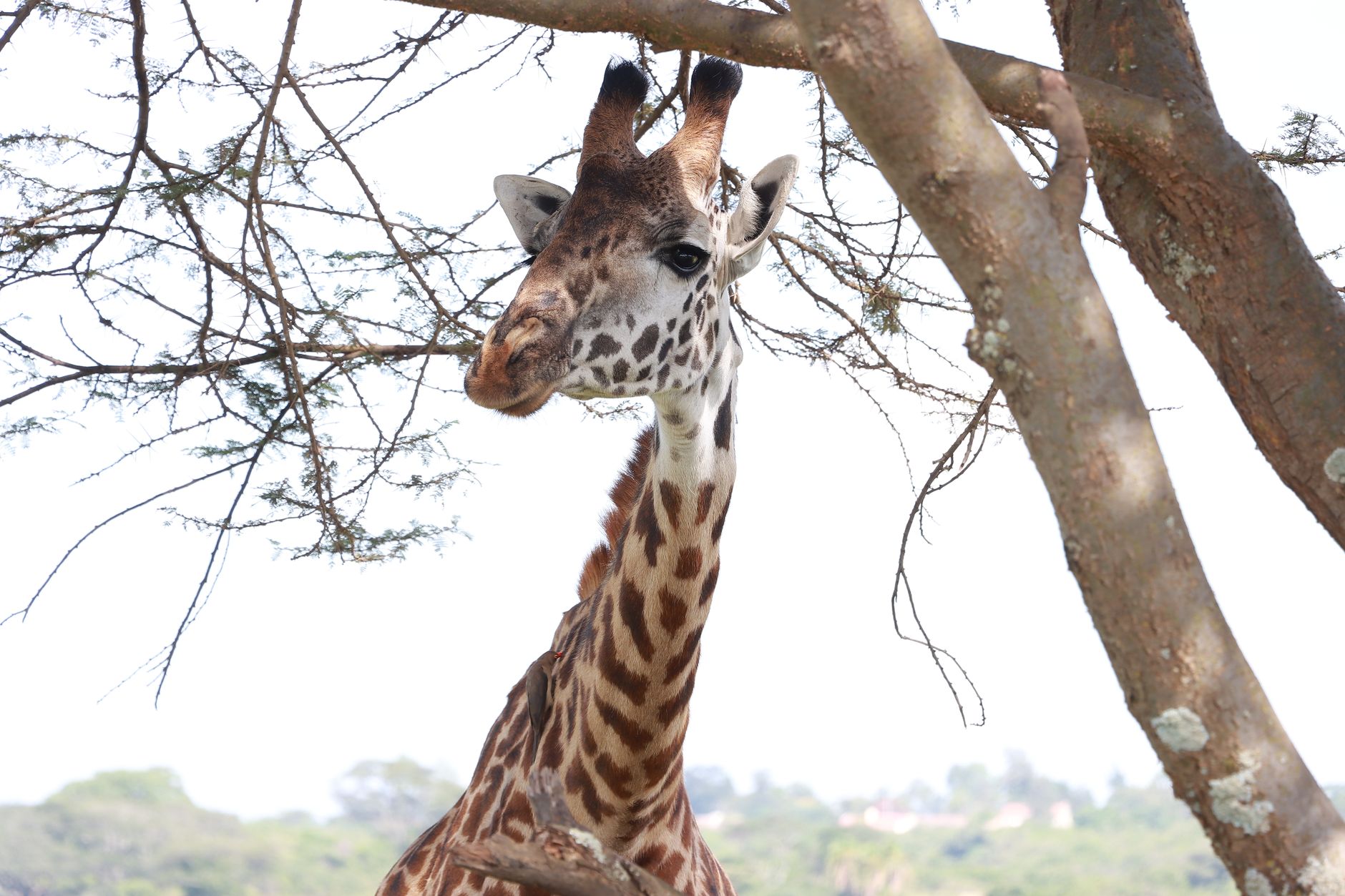
Lake Nakuru is known for Rothschild’s giraffes, which live in the acacia woodland around the lake. The park also holds good numbers of buffalo and lion. Leopards are present at both destinations, as they are in most Kenyan reserves, but they are never easy to promise. An experienced guide who reads tracks and listens for alarm calls makes the biggest difference.
What Do the Key Differences Look Like Side by Side?
If you only remember one thing, remember this: Ol Pejeta suits travelers who want wildlife depth and conservation activities. Lake Nakuru suits travelers who want a compact, scenic and logistically smooth stop. Both are good choices, but they solve different problems on a well-planned Kenya safari.
| Feature | Lake Nakuru National Park | Ol Pejeta Conservancy |
|---|---|---|
| Reserve type | Compact national park around a Rift Valley lake | Private conservancy on Laikipia plains |
| Drive from Nairobi | About 2.5 to 3.5 hours by road | About 3.5 to 5 hours by road |
| Suggested stay | One night for key sights; two nights for flexibility | Two nights; three if conservation activities matter |
| Rhino viewing | Strong, but variable | Generally more dependable, closely monitored |
| Big Five potential | Rhino, buffalo, lion and leopard; elephants less central | Strong chances across all five in open habitat |
| Best fit | Scenic stops, birds and short route gaps | Rhino enthusiasts and longer wildlife stays |
How Do Scenery and Birdlife Compare?
Lake Nakuru has the more distinctive scenery, combining alkaline lake shoreline, escarpments, acacia woodland, viewpoints and seasonal waterbirds. Ol Pejeta offers open Laikipia plains, Mount Kenya views and more space for predators and herbivores to move naturally. If scenery alone decided the argument, Lake Nakuru usually takes it.
The flamingo question is the wildcard. Lake Nakuru can hold thousands of flamingos when water and food conditions are right. In other seasons, the flamingos shift to neighboring Rift Valley lakes. Our Lake Nakuru guide covers recent flamingo patterns in more depth. Ask your operator about current conditions before you book instead of relying on the promise of a pink shoreline.
Ol Pejeta cannot match the lake views, but its open plains and Mount Kenya backdrop appeal to photographers who want to watch wildlife behavior up close.
What Are the Driving Times and Route Options from Nairobi?
Lake Nakuru is generally the easier Nairobi add-on, taking roughly 2.5 to 3.5 hours by road and fitting efficiently between Nairobi and the Maasai Mara. Ol Pejeta usually takes about 3.5 to 5 hours to the Nanyuki area, so it deserves dedicated time rather than being treated as a quick en route stop. Route efficiency is where Lake Nakuru wins most often.
Many Kenya itineraries run in a loop from Nairobi to Nakuru, then south to the Maasai Mara. That makes Nakuru an easy first or last stop. Ol Pejeta sits farther north, so it suits trips that also include Samburu, Mount Kenya or the Laikipia region.
The transfer between Lake Nakuru and Ol Pejeta is not a short hop. Allow the better part of a day for the drive, park formalities and a break on the road. Our Ol Pejeta conservancy guide has more detail on access roads and gate options if you plan to combine both stops.
How Many Nights Do You Need at Each?
One night and an afternoon or morning game drive can cover Lake Nakuru’s compact highlights, although two nights allow better wildlife flexibility. Ol Pejeta merits two nights for a full game-drive day, with three nights worthwhile if rhino conservation, chimpanzees, night activities or guided tracking are central to the itinerary. Do not rush either destination into a single night without checking the transfer time.
A one-night stay at Lake Nakuru works best if you arrive by early afternoon, take one game drive, and leave after a short morning drive. That schedule feels comfortable for most travelers.
Which Is Better for Families and Photographers?
Lake Nakuru is often easier for families because its compact layout reduces vehicle time and provides frequent scenery and wildlife changes. Ol Pejeta is stronger for photographers who prioritize rhino behavior, predators and conservation subjects, but its wider conservancy setting and longer Nairobi transfer require more patience and planning. Family choice usually comes down to road time.
Photographers should match the destination to their subject. Lake Nakuru offers landscapes, waterbirds and the chance of flamingos. Ol Pejeta offers open light, rhinos in natural habitat and predator behavior. Access also depends on vehicle type and lodge layout, so ask your operator about accessibility needs before you book.
Should You Visit Both Ol Pejeta and Lake Nakuru?
Visit both when rhinos and varied Kenyan landscapes are major priorities and the itinerary has at least four or five nights before the Maasai Mara. Choose only one when time is tight: select Nakuru for route efficiency and lake scenery, or Ol Pejeta for conservation depth and more reliable rhino viewing. If you merely want to see a rhino, you do not need both.
Combining them creates real value for travelers who have the time. You get the lake ecosystem and the Laikipia plains in one trip. The downside is the transfer between them, which eats into a full morning. For travelers with only two or three nights before the Mara, the smarter move is one destination, not two.
So Which Safari Wins the Ol Pejeta vs Lake Nakuru Debate?
Ol Pejeta wins for travelers who want dependable rhino encounters, predators and a richer conservation experience. Lake Nakuru wins for travelers who want a short, scenic stop with birds, viewpoints and easy routing to the Maasai Mara. The right safari is the one that fits your actual trip.
Start with your overall route. If you have limited nights, choose Lake Nakuru and keep your driving days short. If rhinos are the priority and you can give the conservancy two or three nights, Ol Pejeta is the stronger choice. Visit both only when the itinerary has room.
When you are ready to plan, compare safari operators on FindMySafari, Valley Safaris, or Trunktrails Safaris. Ask each one to show you drive times, night counts and rhino viewing plans for your dates. That will settle the debate faster than any map.
Where Can You Find More Safari Planning Resources?
- Kenya national parks map from SafariPure
- Ol Pejeta Conservancy guide from Trunktrails Safaris
- Rift Valley lakes map from Valley Safaris
- Big Five safari collection on FindMySafari